Top 10 Financial Mistakes Tech Startups Make & Learn How to Avoid


Summary
Tech startups often face financial challenges that can slow growth or create long-term risks. Learn the top financial mistakes startups make and discover practical strategies to improve cash flow, budgeting, accounting systems, and financial planning for sustainable business growth.
Top 10 Financial Mistakes Tech Startups Make and How to Avoid Them
Launching a technology startup is an exciting journey filled with innovation, product development, and rapid growth opportunities. However, while founders focus heavily on building products and scaling operations, financial management often becomes an afterthought.
Many promising startups fail not because of weak ideas or poor products, but because of financial mismanagement. From cash flow problems to tax compliance errors, financial mistakes can quickly put a startup at risk.
For founders and startup leaders, understanding the most common financial pitfalls can make a significant difference. When businesses implement strong financial systems supported by Professional Bookkeeping Services, they are better positioned to manage growth, attract investors, and maintain financial stability.
This guide explores ten common financial mistakes tech startups make and provides practical strategies to avoid them.
Why Financial Discipline Is Essential for Tech Startups
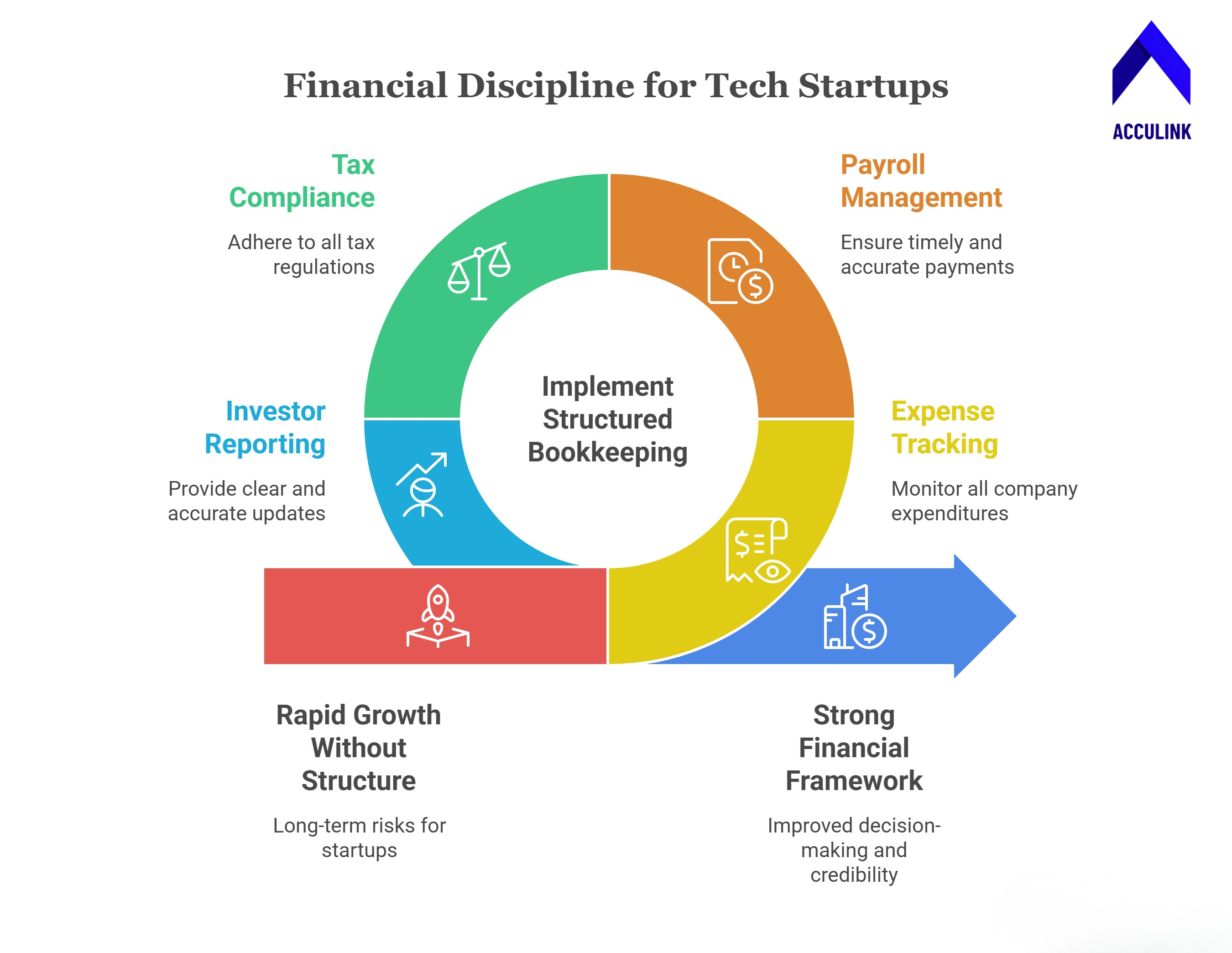
Technology companies often operate in highly competitive environments where speed and innovation matter. However, rapid growth without a financial structure can create long-term risks.
Startups must manage multiple financial responsibilities, including expense tracking, payroll management, tax compliance, and investor reporting.
Companies that build strong accounting frameworks early often rely on Structured Bookkeeping Systems to maintain accurate financial records and clear reporting.
Reliable financial data not only improves decision-making but also builds credibility with investors, lenders, and stakeholders.
Founders who want to better understand financial management principles can refer to the startup financial management guide for additional insights.
 1. Ignoring Proper Financial Planning
Many startup founders prioritise product development and customer acquisition while overlooking financial planning.
Without clear financial projections, companies may struggle to manage operating costs, hiring plans, and growth investments.
How to Avoid It
Startups should create detailed financial forecasts that include:
- Revenue projections
- Operating expenses
- Marketing budgets
- Hiring plans
- Capital requirements
Working with professionals who provide Financial Reporting Services can help founders monitor financial performance and adjust strategies when necessary.
2. Poor Cash Flow Management
Cash flow problems are one of the leading reasons startups fail. Even profitable companies can face difficulties if cash inflows and outflows are not managed properly.
Delayed payments, unexpected expenses, and rapid expansion can quickly drain available funds.
How to Avoid It
Tech startups should:
- Track incoming and outgoing cash regularly
- Maintain an emergency reserve
- Monitor payment cycles carefully
- Use forecasting tools to anticipate shortages
Many startups rely on Outsourced Accounting Services to maintain accurate cash flow tracking and financial monitoring.
3. Mixing Personal and Business Finances
Some founders use personal bank accounts or credit cards for business expenses during the early stages of a startup. While this may seem convenient, it creates accounting confusion and tax complications.
Separating personal and business finances is essential for financial clarity.
How to Avoid It
Startups should:
- Open dedicated business bank accounts
- Use business credit cards for company expenses
- Maintain separate accounting records
- Document all financial transactions properly
Implementing Accurate Bookkeeping Systems helps ensure that financial records remain organised and audit-ready.
4. Underestimating Operational Expenses
Many startups focus heavily on product development costs but underestimate operational expenses such as software subscriptions, payroll, marketing campaigns, and infrastructure.
Unexpected costs can quickly disrupt financial plans.
How to Avoid It
Founders should conduct a thorough cost analysis, including:
- Technology infrastructure
- Employee compensation
- Office or remote work tools
- Legal and compliance expenses
Using professional financial oversight through Virtual CFO Services helps startups develop realistic cost projections and sustainable budgets.
5. Delaying Financial Reporting
Timely financial reporting is essential for monitoring business performance. Without clear reports, startup leaders may struggle to understand profitability, cash flow, and financial trends.
Delayed reporting often leads to poor financial decisions.
How to Avoid It
Startups should establish consistent reporting processes,s including:
- Monthly financial statements
- Profit and loss analysis
- Expense tracking
- Revenue performance reviews
Companies that use Financial Reporting Services can maintain regular reporting and accurate financial visibility.
6. Neglecting Tax Planning
Many startups only think about taxes during the filing season. However, tax planning should be a year-round process.
Poor tax planning can lead to unexpected liabilities, missed deductions, and compliance issues.
How to Avoid It
Startups should implement proactive tax strategies such as:
- Monitoring deductible expenses
- Tracking research and development credits
- Structuring compensation properly
- Planning quarterly tax payments
Working with experts who provide Tax Planning Strategies and Professional Tax Advisory Services ensures startups remain compliant and tax-efficient.
Businesses should also stay updated with regulatory guidelines available through the IRS business tax resources.
7. Hiring Too Quickly Without Financial Analysis
Growth often requires hiring new employees, but expanding teams too quickly can create financial pressure.
Payroll is one of the largest expenses for most startups, and hiring decisions should always be supported by financial analysis.
How to Avoid It
Startup leaders should evaluate:
- Revenue growth projections
- Workforce productivity
- Operational needs
- Cash flow stability
Maintaining strong financial oversight through Payroll Compliance Services helps companies manage payroll obligations effectively.
8. Ignoring Financial Compliance Requirements
As startups grow, they must comply with various regulatory requirements related to accounting, tax reporting, and financial disclosures.
Ignoring these requirements can lead to penalties and legal complications.
How to Avoid It
Startups should focus on:
- Maintaining accurate accounting records
- Meeting tax filing deadlines
- Ensuring proper documentation
- Staying updated with regulatory changes
Professional support through Multi-State Tax Compliance services becomes especially important for startups operating across different jurisdictions.
9. Choosing the Wrong Business Structure
Selecting the right business entity is a critical financial decision. Many startups initially register as simple entities without considering future tax implications or investor requirements.
The wrong structure can create challenges when raising capital or scaling operations.
How to Avoid It
Founders should evaluate different entity structures, such as:
- Limited Liability Companies
- Partnerships
- C Corporations
- S Corporations
Professional advisors who assist with Business Entity Structuring can help startups choose the most suitable structure based on growth goals.
10. Not Seeking Professional Financial Guidance
Many startup founders attempt to manage accounting and taxes on their own in order to reduce costs. However, financial mistakes can be far more expensive than professional support.
Experienced financial advisors help startups build strong financial systems from the beginning.
How to Avoid It
Startups benefit from working with experts who can provide:
- Financial forecasting
- Investor reporting preparation
- Tax planning strategies
- Compliance management
- Financial performance analysis
Businesses that work with firms offering LLC and Partnership Tax Return Preparation services can maintain accurate filings and regulatory compliance.
Building a Strong Financial Foundation for Startup Growth
Technology startups operate in fast-moving environments where financial discipline is just as important as product innovation.
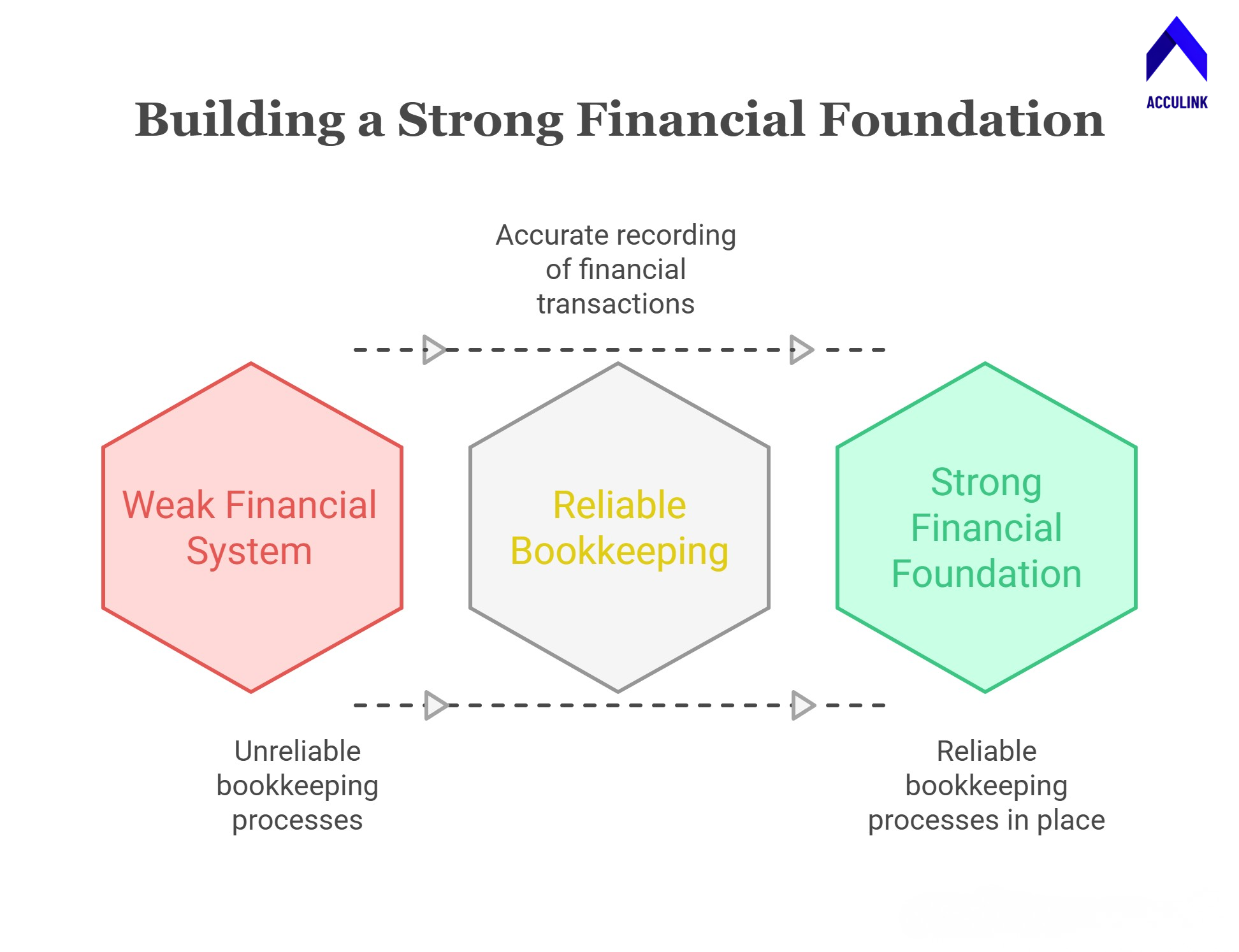
A strong financial system should include:
- Reliable bookkeeping processes
- Accurate financial reporting
- Cash flow management
- Strategic tax planning
- Compliance monitoring
When these elements are implemented early, startups gain greater financial clarity and improved decision-making.
Understanding startup accounting fundamentals can help founders build stronger financial systems from the beginning.
Financial Tools That Help Startups Stay Organised
Technology startups often rely on multiple tools to manage operations, development, and customer relationships. Financial management should also be supported by the right tools and systems.
Using cloud accounting software, expense tracking platforms, and financial dashboards helps startups maintain visibility into their financial performance.
Startups should consider using tools that support:
- Automated bookkeeping and expense tracking
- Real-time financial reporting
- Invoice management and payment tracking
- Cash flow forecasting
- Integration with payroll and tax systems
When these tools are combined with Professional Bookkeeping Services, businesses can maintain organised records while reducing manual financial work.
The Importance of Strategic Financial Planning for Startups
Strategic financial planning helps startups prepare for growth, investment opportunities, and unexpected challenges.
Without a clear financial roadmap, startups may struggle to allocate resources efficiently or scale their operations.
Effective financial planning includes:
- Setting realistic revenue targets
- Monitoring burn rate and runway
- Evaluating funding requirements
- Tracking profitability and operational efficiency
- Planning for tax obligations and compliance
Startups that work with professionals offering Virtual CFO Services gain deeper financial insights and long-term planning support.
Why Tech Startups Work with Acculink CPA
Acculink CPA works with startups, entrepreneurs, and growing technology companies that want reliable financial systems and structured accounting practices.
From Professional Bookkeeping Services and Financial Reporting Services to Tax Planning Strategies and Virtual CFO Services, the Acculink CPA team helps businesses maintain financial accuracy and compliance.
For startups navigating rapid growth, professional financial guidance can make the difference between scaling successfully and facing costly financial setbacks.
With the right financial infrastructure in place, founders can focus on innovation, product development, and building successful technology companies.
Expert financial oversight for your tech startup.
Avoid the pitfalls that stall innovation. From multi-state tax compliance to investor-ready reporting, we handle the numbers so you can build.
About the Author

Related Posts
15 Profitable Add-On Services CPA and Accounting Firms Can Offer Without Hiring In-House
CPA and accounting firms do not need to build every new service with another in-house hire. This guide compare…
Top 10 Payroll Outsourcing Companies for CPA and Accounting Firms (2026)
This guide compares ten payroll outsourcing companies for U.S. CPA and accounting firms. It separates processi…

White Label Accounting for CPA and Accounting Firms: How It Works, What to Hand Off, and What It Costs
White label accounting helps CPA firms expand capacity while keeping control of their brand, client relationsh…