
Blogs
This guide compares ten payroll outsourcing companies for U.S. CPA and accounting firms. It separate...
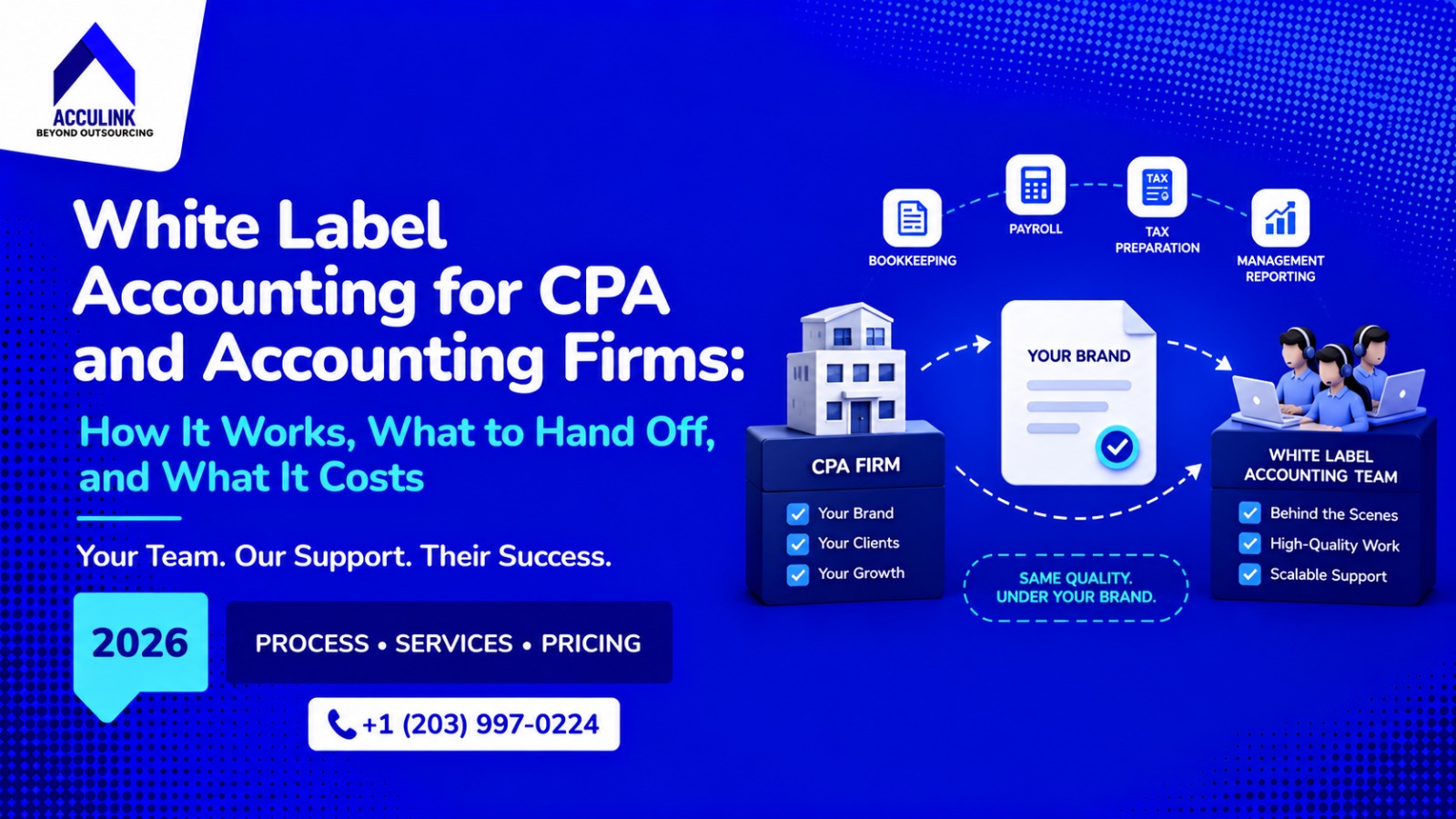
White label accounting helps CPA firms expand capacity while keeping control of their brand, client ...
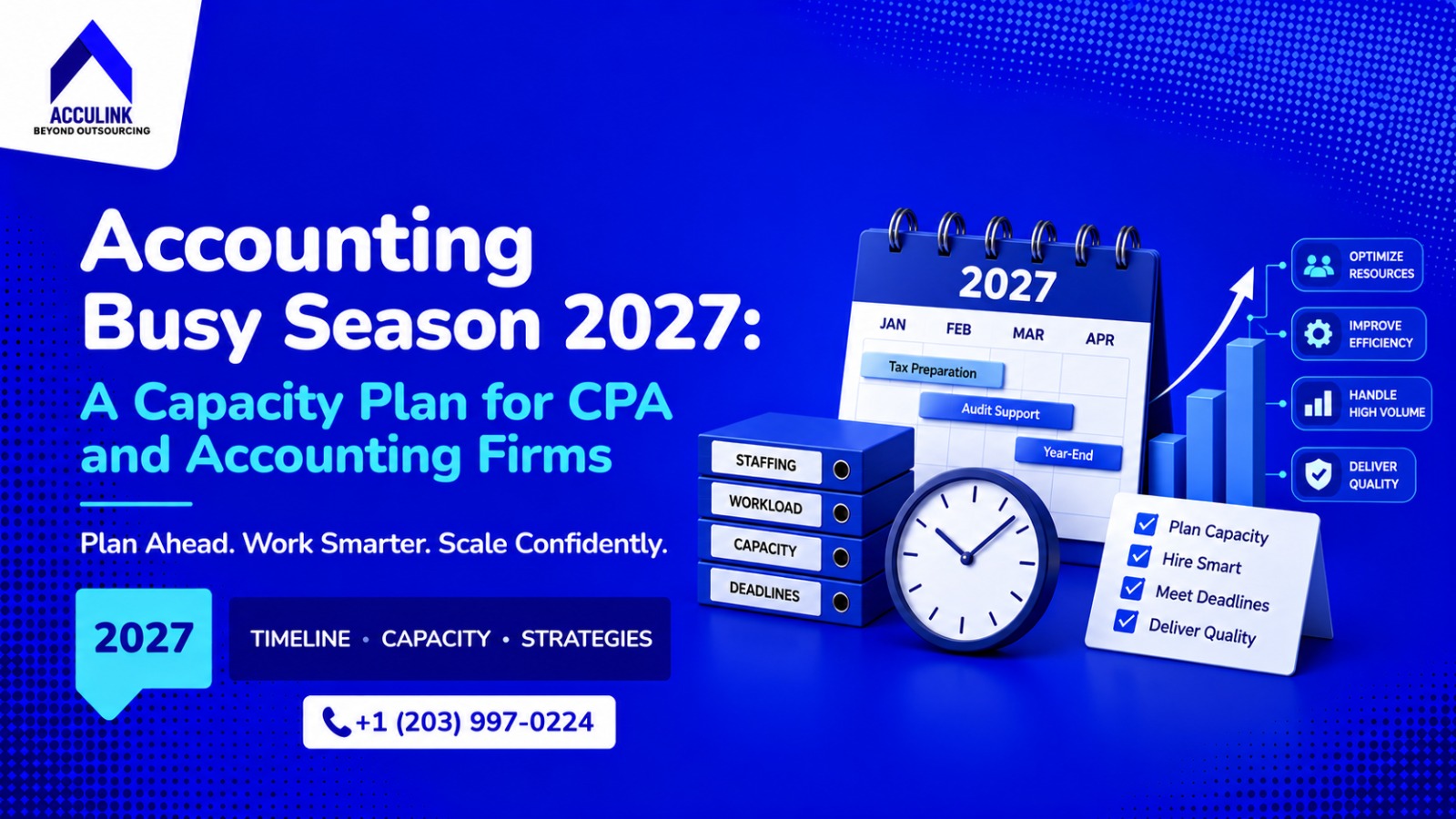
Accounting busy season becomes manageable when a CPA firm forecasts preparation, review, and adminis...
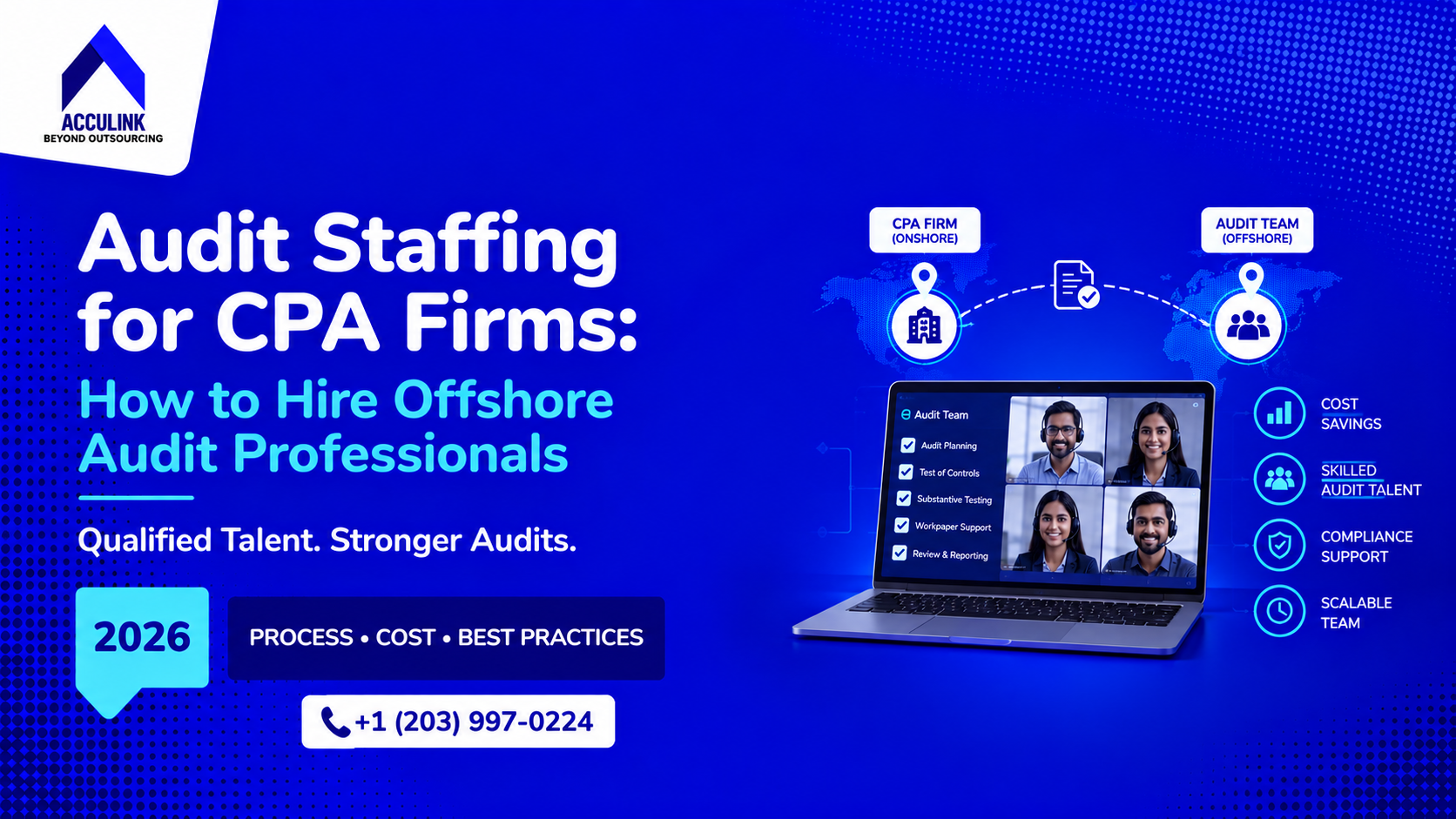
Audit staffing should begin with the work and review capacity a CPA firm needs, not a generic headco...
Learn how to measure 15 essential CPA firm KPIs covering profitability, productivity, staffing capac...
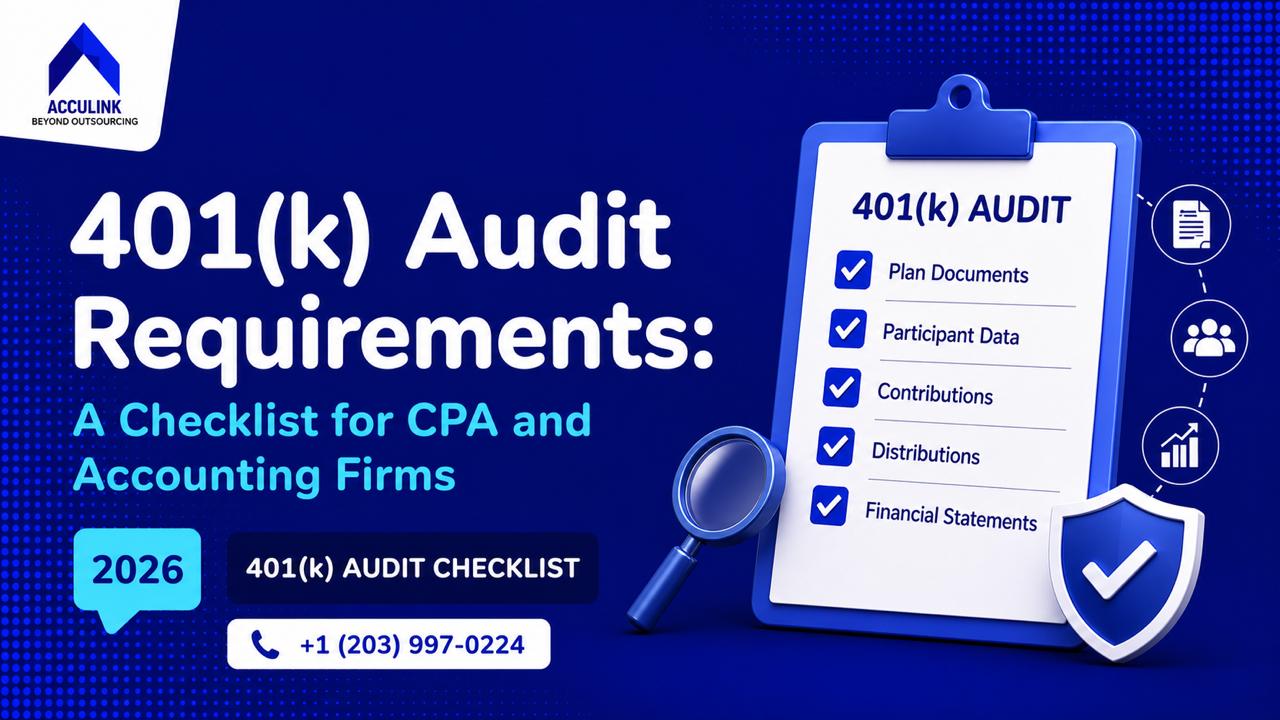
401(k) audit requirements generally depend on participants with account balances, prior filing statu...
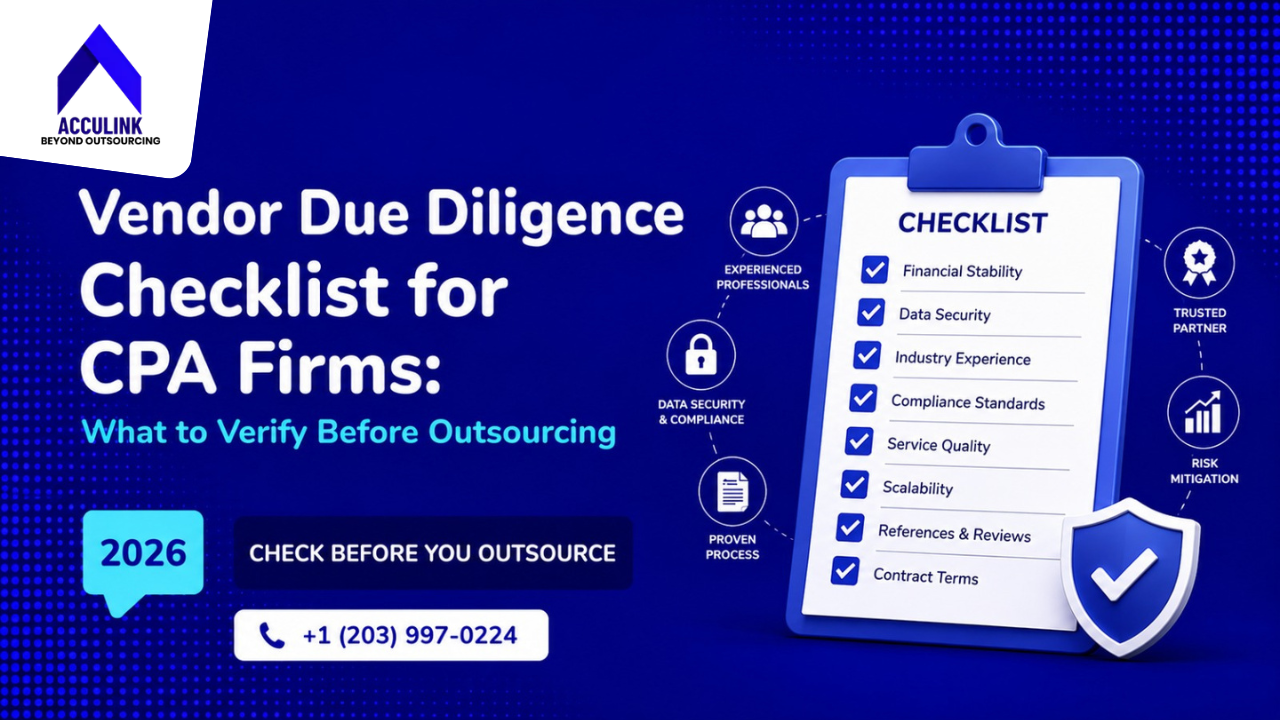
A vendor due diligence checklist helps a CPA firm verify that an accounting outsourcing provider is ...
The top tax outsourcing companies for CPA firms in 2026 are Acculink CPA, QX Accounting Services, Ca...

Accounting outsourcing can be secure when work stays inside controlled systems, each worker uses an ...
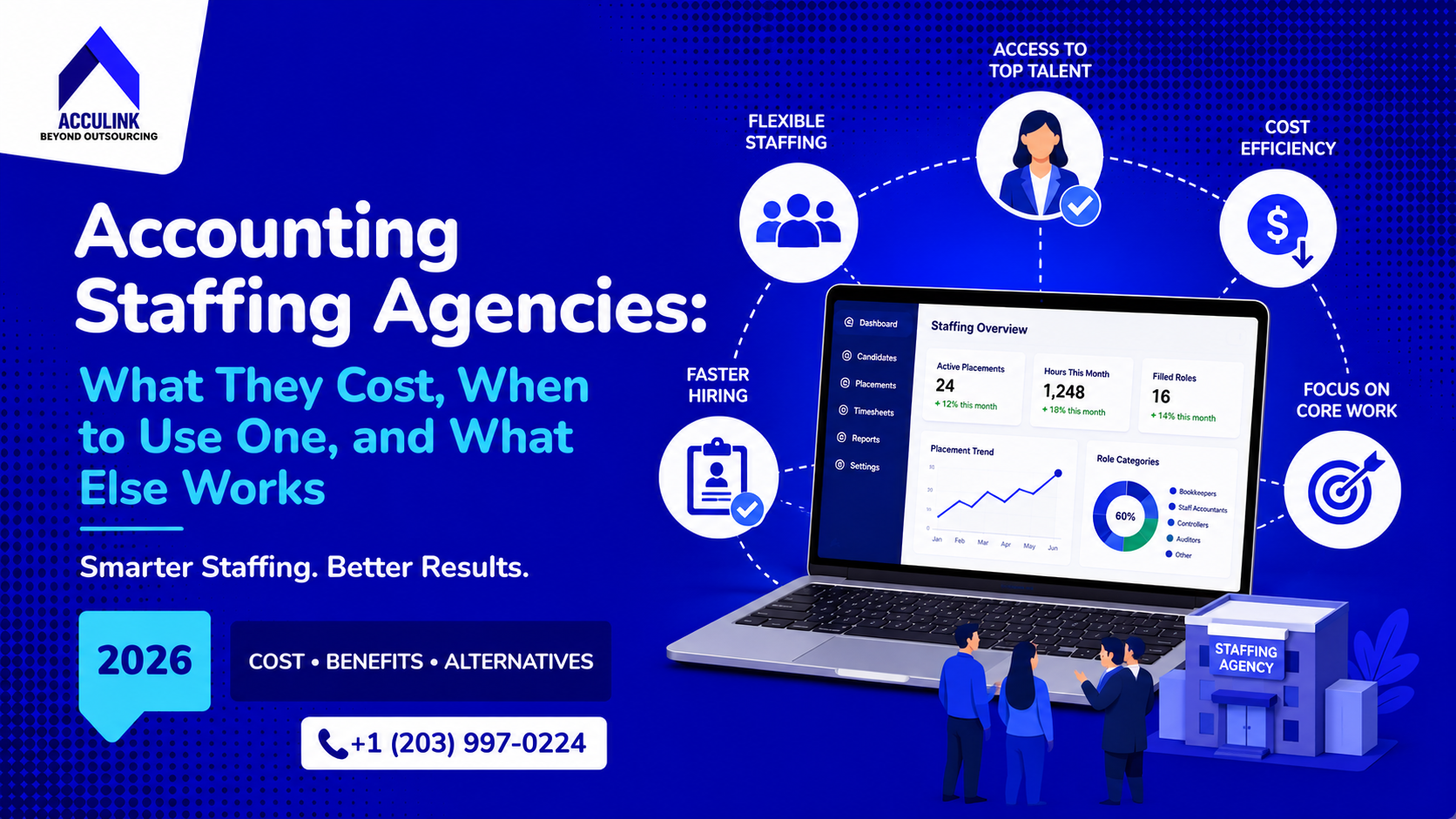
An accounting staffing agency recruits and places accounting professionals into your firm, as tempor...
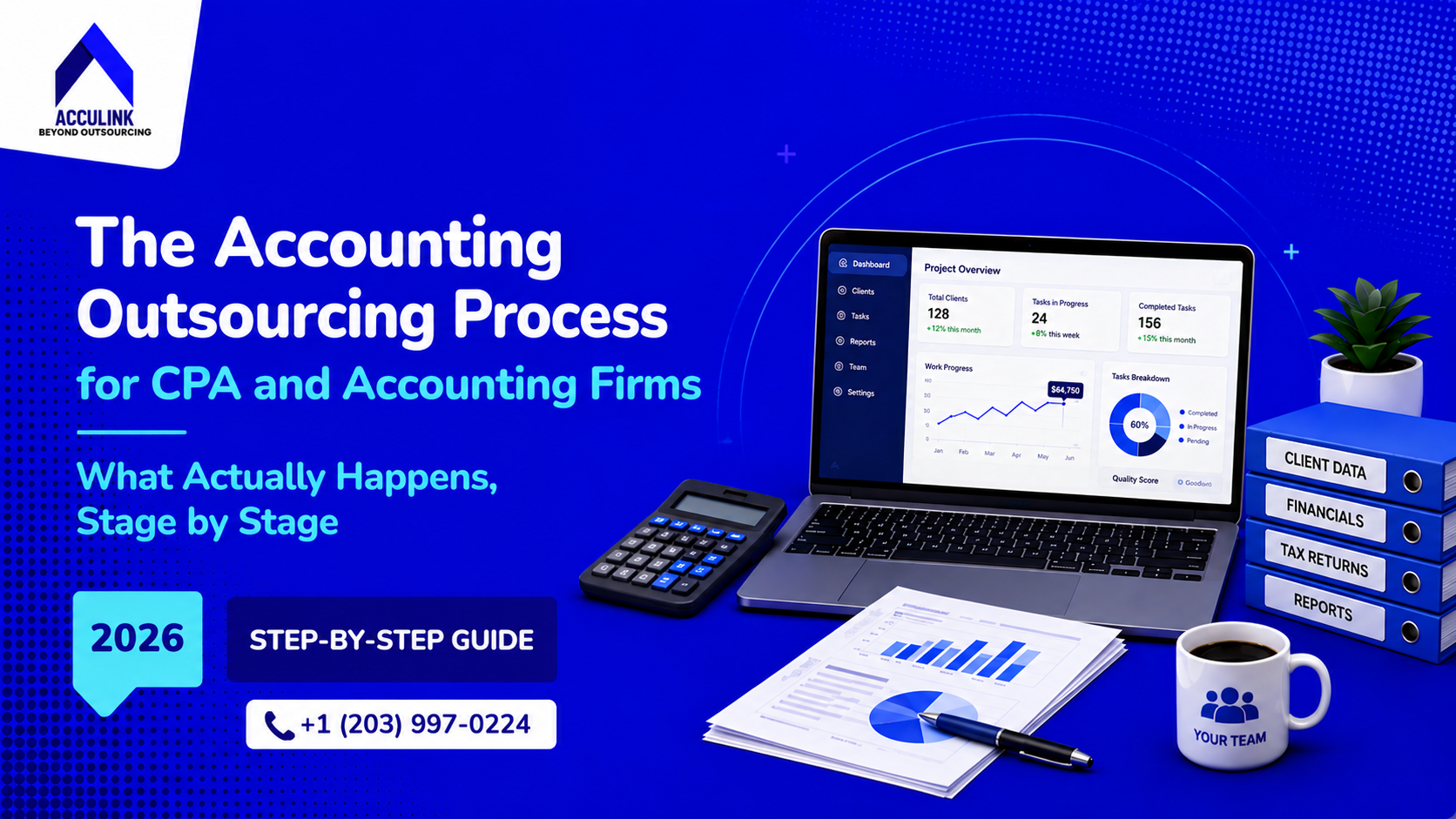
The accounting outsourcing process is a production workflow, not a purchase: six stages, intake and ...
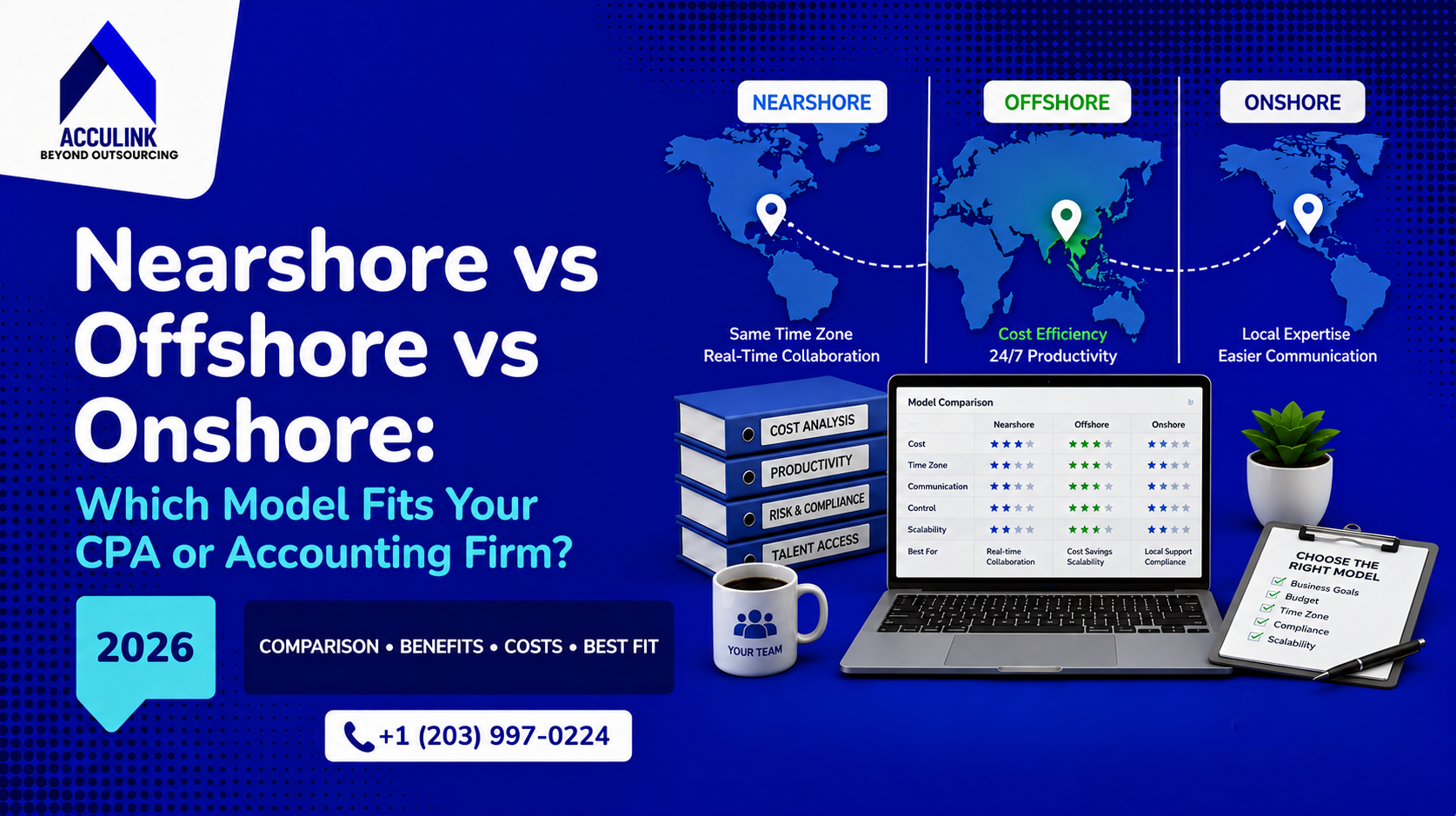
Onshore, nearshore, and offshore describe where your outsourced accounting team sits. Onshore keeps ...
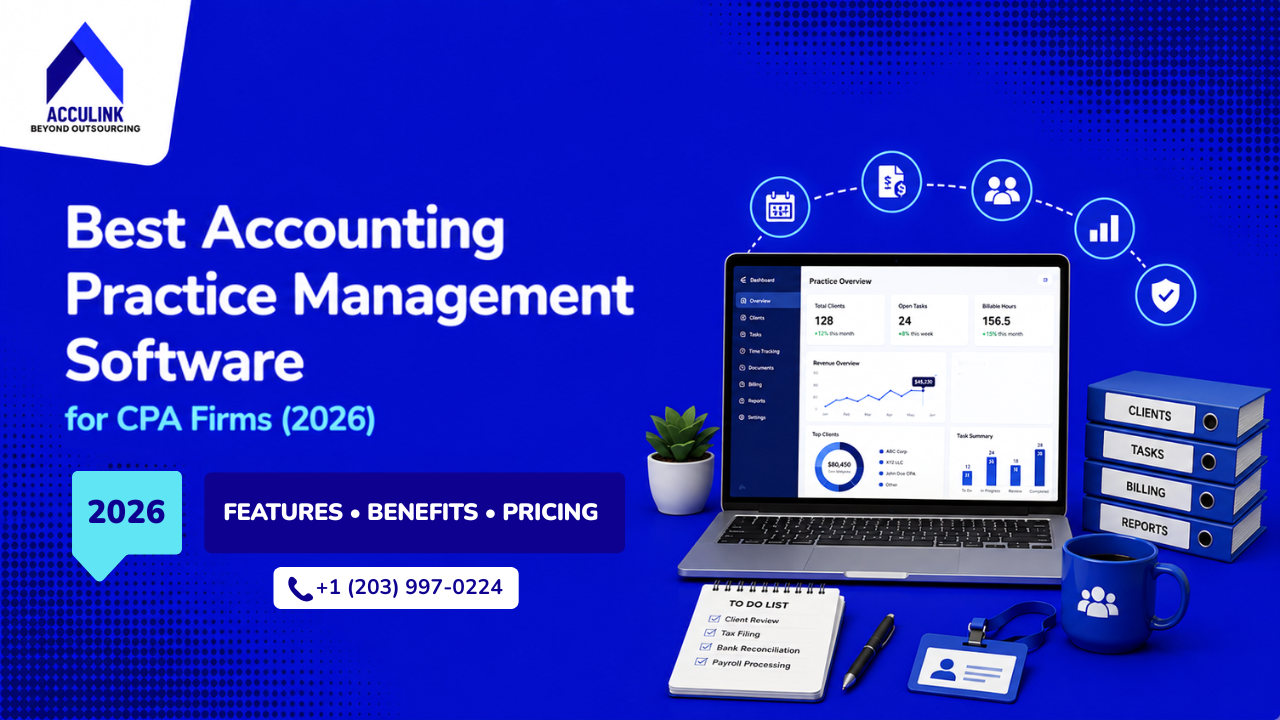
For most accounting and CPA firms, TaxDome is the most popular all-in-one practice management platfo...
For most CPA firms, India is the strongest all-around choice for offshore accounting: the largest ta...
For most US CPA firms and their clients, QuickBooks Online is still the safe default. Xero is the st...
An accounting virtual assistant is a remote professional who handles a firm\'s recurring bookke...
There is no single best tax software for CPA firms, only the best fit for your return mix, firm size...
Choosing an outsourced accounting partner is a high-stakes call because the team touches your client...
Tax preparation outsourcing lets a CPA firm hand routine return preparation to an external team, usu...
A practical 2026 guide to virtual bookkeeping services for firms adding capacity and businesses alik...
Not every accounting conference is worth the time or the travel budget. This guide breaks down the 1...
A practical 2026 guide to outsourced bookkeeping: what it is, which tasks to hand off, how it works,...
A practical 2026 guide to fractional CFO services: what a fractional CFO does, the signs you need on...
A practical 2026 guide to offshore accounting for U.S. CPA firms: what it is, what to safely delegat...

A new $100,000 fee per H-1B petition has made visa sponsorship unaffordable for most CPA firms. This...
Hiring an offshore team is one of the highest-leverage moves a short-staffed CPA firm can make, but ...

If your CPAs and EAs are stuck coding invoices and chasing vendor statements, you've got skille...
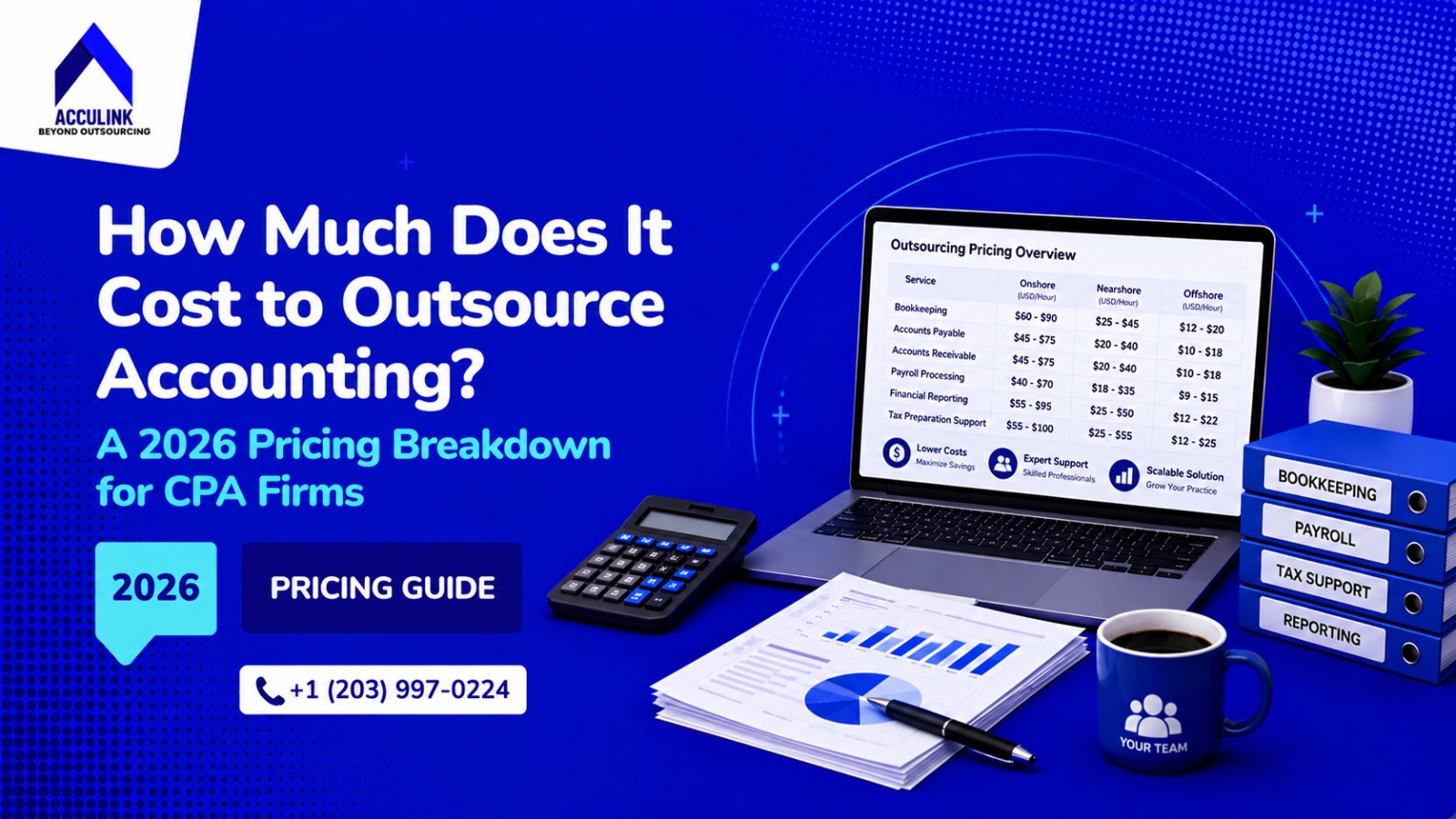
The cost to outsource accounting ranges from $8 to $35 per hour depending on the service type, staff...
Discover the 5 most powerful ways outsourced accounting enables CPA firms to scale client capacity, ...

Not all AP outsourcing partners are equal. Here are the 10 non-negotiable criteria every CPA firm mu...
Discover the top 10 proven benefits of outsourcing your accounts payable function — from cost savi...

Avoid these 5 costly accounts receivable outsourcing mistakes that CPA firms make — and learn how ...

From healthcare to construction, discover the top 10 industries gaining the biggest ROI from account...

Before you sign any contract, ask these 10 critical questions to vet outsourced accounting firms —...

From AI integration to nearshoring, explore the top 7 F&A outsourcing trends transforming CPA fi...

Is your accounting team overwhelmed? Here are 10 clear warning signs that your business needs outsou...

The CPA profession is undergoing a structural shift: firms that remain compliance-only face commodit...
Many CPA firms struggle with offshore staffing due to communication gaps, quality inconsistencies, t...
Most failed outsourcing experiences aren’t caused by offshore talent being inadequate — they’r...

IRS Section 7216 is the federal regulation governing how tax return preparers can disclose and use t...

Freelancers may seem like a quick and cost-effective solution for CPA firms, but they often come wit...

A virtual CFO (vCFO) provides the strategic financial leadership of a full-time CFO — cash flow ma...
Audit outsourcing doesn’t mean handing over your audit opinion — it means delegating the labor-i...

How the 2026 Tariffs Are Changing the Way CPA Firms Advise Clients on Supply Chain & Costs

Bookkeeping is the most commonly outsourced accounting function globally — and for good reason. It...

How Tariffs and Trade Wars Are Impacting Accounting Firms and Their Clients in 2026
Outsourcing and offshore staffing are not the same thing — confusing the two leads to mismatched e...

Understanding the One Big Beautiful Bill Act: Tax Implications for CPA Firms and Their Clients

The ongoing Middle East conflict involving Israel, Iran, and regional proxies has driven oil prices ...

Client Advisory Services is not a trend or a buzzword. It is the structural evolution of the account...

Accounting for Cryptocurrency and Digital Assets: What CPA Firms Need to Know in 2026

Learn everything about Zoho Books accounting software, including its features, pricing, and benefits...

Starting a CPA firm is one of the most rewarding career decisions an accounting professional can mak...
The automation journey is not a destination but a continuous evolution. New tools emerge monthly, AI...

Learn the complete step-by-step process to file your 2025 LLC taxes in 2026. From choosing the corre...

Cybersecurity is not a one-time project. It is an ongoing discipline that requires continuous invest...

The PE wave in accounting is not a temporary trend. Institutional capital will continue flowing into...

Succession Planning for CPA Firms: How to Plan Your Exit Without Losing Your Practice
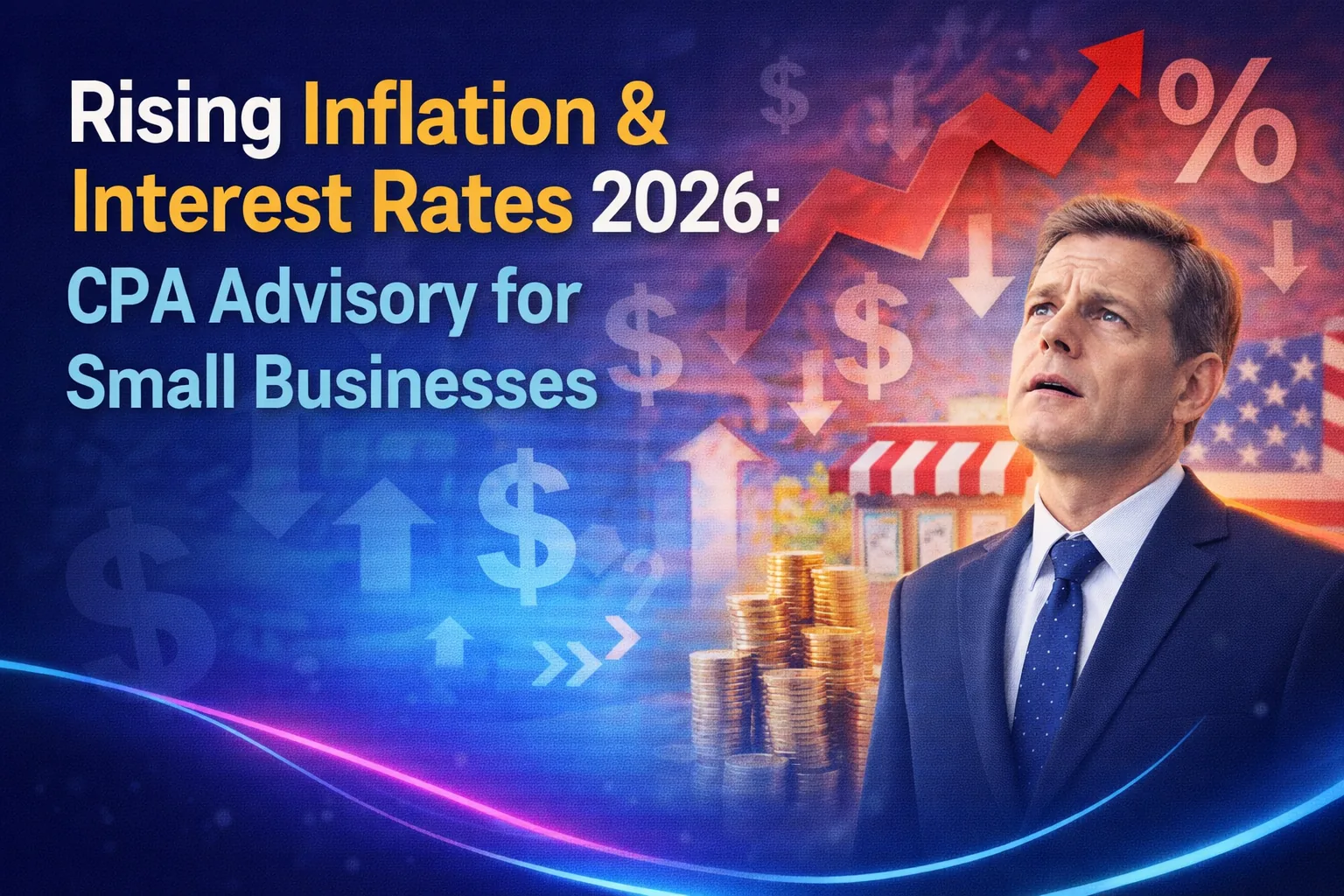
The convergence of oil price shocks, tariff-driven cost increases, and elevated Federal Reserve inte...

AI is transforming accounting operations — from data extraction and bank reconciliation to audit a...
The distributed work model is not a temporary accommodation born from the pandemic. It is the perman...
The Complete Guide to Client Onboarding for CPA Firms: Templates, Checklists & Best Practices

Advisory pricing is ultimately about confidence. The confidence to charge what your services are wor...

Best Accounting Advisory Tools for CPA Firms: Jirav, Fathom, Reach Reporting, LivePlan & More
The CPA Firm Staffing Crisis: Understanding the Accountant Shortage and What to Do About It

The Department of Government Efficiency (DOGE) initiative has driven significant federal spending cu...
The IRS has experienced unprecedented leadership instability in 2025–2026, with seven acting commi...

The 2025–2026 federal government shutdowns disrupted IRS operations during critical filing periods...

Geopolitical risk is a legitimate concern for CPA firms considering offshore outsourcing, but it is ...

The One Big Beautiful Bill Act (OBBBA) represents the most significant tax legislation since the Tax...

CPA firms are actively using ChatGPT, Microsoft Copilot, and Claude for client advisory, management ...

The CPA exam underwent a major restructure in 2024, replacing the traditional four-section format wi...

Private equity investment in accounting has surged dramatically, with PE-backed firms representing a...

The IRS is transitioning from the legacy FIRE (Filing Information Returns Electronically) system to ...

India signed its first-ever comprehensive free trade agreement with the European Union in early 2026...

AI tools like ChatGPT, Copilot, and specialised tax AI can automate data extraction, categorisation,...

Learn how to build an offshore team for your accounting firm with this step-by-step guide. Discover ...

Discover how outsourced tax preparation helps accounting firms reduce costs, improve efficiency, and...

Tech startups often face financial challenges that can slow growth or create long-term risks. Learn ...

Discover the top 10 property management software platforms that help real estate businesses streamli...

Discover 10 practical tips to streamline accounting and financial management for manufacturers. Lear...

Prepare your business for a smooth tax season with these 10 essential year-end accounting tasks. Lea...

How outsourcing hospitality accounting handles daily POS sales reconciliation, food-cost analysis, t...
How outsourcing non-profit accounting handles fund accounting, restricted net assets, grant tracking...

How outsourcing e-commerce accounting handles Amazon/Shopify payout reconciliation, multi-channel CO...
How outsourcing manufacturing accounting handles job costing, WIP, COGS, and inventory valuation —...
How outsourcing business-formation support helps CPA firms — entity selection, EIN, S-election (25...

How outsourcing 401(k) plan audit support helps CPA firms clear Form 5500 audits — participant, co...
How outsourcing employee benefit plan (EBP) audit support helps CPA firms — 401(k), 403(b), pensio...

Hire an offshore real estate VA for property admin + accounting — rent rolls, owner statements, CA...
How outsourcing Form 1120-S prep gives CPA firms expert S-corp returns — K-1s, basis, AAA, reasona...
How outsourcing sales tax compliance handles nexus, multi-state filings, and exemption certificates ...

How virtual accounting gives CPA firms a managed, cloud-based accounting team — bookkeeping to rep...

How outsourcing property accounting helps CPA & real estate firms — rent rolls, CAM reconcilia...

How management reporting outsourcing lets CPA firms deliver timely, insight-driven KPI reports at sc...
How outsourced financial statement preparation gives CPA firms GAAP-compliant, lender-ready statemen...

Hire an offshore billing assistant for your CPA firm — invoicing, time entry, WIP, retainer billin...

How outsourcing year-end accounting helps CPA firms clear the close — trial balances, depreciation...
How outsourcing Xero gives CPA firms Xero-certified offshore experts — setup, reconciliations, mig...
How outsourcing QuickBooks gives CPA firms ProAdvisor-certified support — setup, reconciliations, ...
How outsourcing accounts payable & receivable helps CPA firms cut cost, speed collections, and i...

How payroll outsourcing keeps CPA firms' clients compliant — 941/940 and multi-state filings,...
Accounting outsourcing lets CPA firms add capacity without adding headcount. Why outsourced accounti...

How hiring an offshore virtual CFO lets your CPA firm offer profitable advisory/CAS — forecasts, K...

How to hire an offshore tax preparer for your CPA firm — 1040/1065/1120/1120-S, CCH/UltraTax/Drake...

Hire an offshore payroll expert for your CPA firm — multi-state filings (941/940), W-2/1099, year-...
How to hire an offshore accountant for your CPA firm — month-end close, GL, GAAP reporting, in you...

How to hire an offshore bookkeeper for your CPA firm — what they do, how vetting and onboarding wo...



 80+ firms trust us
Need reliable offshore accountants and tax preparers who understand US tax laws?
Hiring starts at $8/hour